How to Learn Realistic Pencil Drawing Step by Step: A Beginner’s Complete Guide
Have you ever looked at a realistic pencil drawing and wondered, "How do artists create something that looks so real?"
The details in the eyes, the texture of the hair, the depth of shadows, and the way a simple pencil can create a lifelike image can feel almost magical.
But the truth is, realistic pencil drawing is not only about talent. It is a skill that anyone can learn with the right techniques, patience, and regular practice.
If you are starting your art journey and searching for pencil drawing for beginners, learning realistic drawing is one of the best decisions you can make. It teaches you the foundation of every artwork — observation, proportion, shading, and control.
At Pencil Perception, we believe that every person has the ability to become an artist. With proper guidance and a step-by-step learning process, even a complete beginner can create beautiful realistic sketches
What Makes Realistic Pencil Drawing Different?
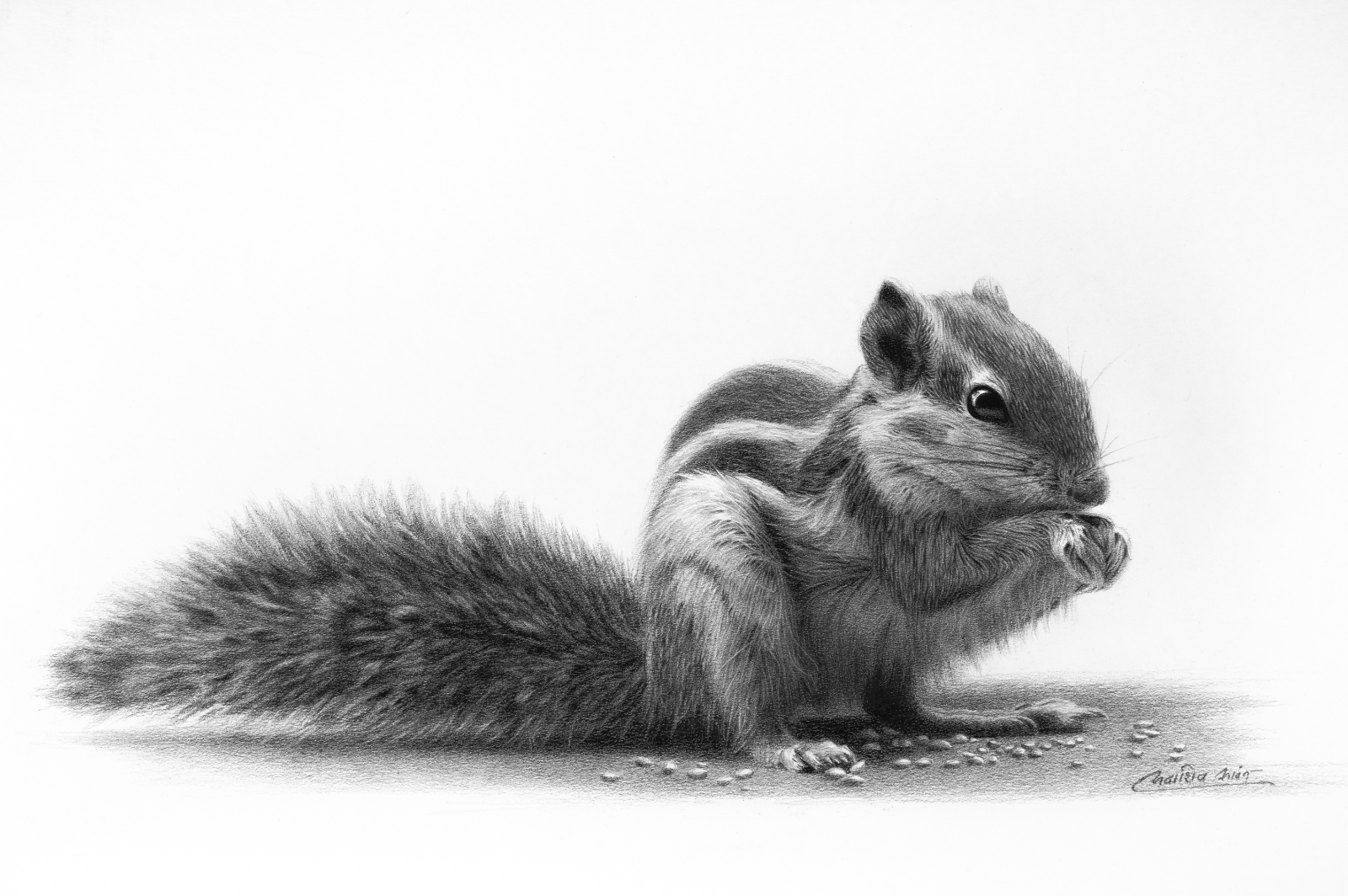
A normal sketch focuses on creating an outline, but realistic pencil drawing focuses on making the artwork look alive.
Realistic drawings capture the small details that we see in real life, such as:
- The shine in someone's eyes
- The softness of hair
- The texture of skin
- The wrinkles and details of objects
- The effect of light and shadow
The goal is not just to draw something that looks correct. The goal is to create an image that feels real.
Step 1: Start With Understanding Basic Drawing Skills
Many beginners make the mistake of directly trying to draw complicated portraits. They see professional artwork and immediately want to create the same result.
But every professional artist started with the basics.
Before creating realistic drawings, you need to understand
Shapes and Forms
Everything around us is made from simple shapes.
For example:
- A face starts with basic circles and guidelines.
- A hand can be understood through simple forms.
- Objects can be created using cubes, cylinders, and spheres.
Learning shapes helps you create accurate drawings instead of guessing.
Pencil Control
Your pencil is your most important tool.
You need to learn how much pressure to apply because different pressure creates different results.
Practice:
- Light lines
- Dark lines
- Smooth strokes
- Thin details
- Thick shadows
Good pencil control is what makes artwork look professional.
Step 2: Choose the Right Pencil and Materials
One of the best things about pencil drawing is that you don't need expensive equipment to start.
A beginner can start with:
- HB pencil
- 2B pencil
- 4B pencil
- Good quality drawing paper
- Eraser
- Sharpener
Different pencils create different shades.
For example:
- HB is great for basic outlines.
- 2B helps create medium shades.
- 4B and 6B are useful for darker shadows.
The right tools make practice easier, but remember — your skill matters more than expensive materials.
Step 3: Train Your Eyes Before Your Hands
A common mistake beginners make is focusing only on drawing.
But realistic drawing actually begins with observation.
Before you draw anything, spend time looking at it.
Notice:
- Where the light is coming from
- Which areas are darker
- The shape and size of objects
- Small details and textures
For example, when drawing an eye, don't just draw an oval shape.
Observe:
- The curve of the eyelid
- The reflection inside the eye
- The shadows around it
- The direction of eyelashes
Artists don't just draw what they see — they understand what they see.
Step 4: Learn the Power of Shading
Shading is what transforms a simple sketch into a realistic drawing.
Without shading, drawings often look flat.
With proper shading, you can create:
- Depth
- Realistic textures
- Volume
- Three-dimensional effects
Some important shading techniques include:
Hatching
Creating lines close together to build darker areas.
Cross-Hatching
Adding another layer of lines in different directions.
Blending
Smoothly mixing shades to create realistic surfaces.
Layering
Building darkness slowly instead of making everything dark at once.
A professional-looking drawing is usually created with patience and many layers.
Step 5: Practice Simple Objects First
If you are new to pencil drawing for beginners, don't immediately start with difficult portraits.
Begin with simple objects around you.
Try drawing:
- A cup
- A book
- Fruits
- Leaves
- Bottles
- Everyday objects
These exercises teach you:
- Shape accuracy
- Perspective
- Light and shadows
- Texture
Once your basics become stronger, realistic portraits become much easier.
Why Learning Realistic Pencil Drawing Is Worth It
Drawing is not just about creating beautiful pictures.
It also improves:
Creativity
You learn to express your imagination visually.
Patience
Realistic artwork teaches focus and discipline.
Confidence
Every completed drawing builds your belief in your ability.
Career Skills
Drawing can open opportunities in:
- Illustration
- Animation
- Design
- Concept art
- Teaching
Frequently Asked Questions
Can beginners learn realistic pencil drawing?
Yes. Anyone can learn realistic pencil drawing with proper practice and guidance.
How long does it take to learn realistic drawing?
Everyone learns at a different pace. With regular practice, beginners can see improvement within a few weeks.
Which pencil is best for realistic drawings?
HB, 2B, 4B, and 6B pencils are commonly used for realistic artwork.
Do I need natural talent to become an artist?
No. Drawing is a skill that improves through learning and practice.
Final Thoughts
Learning realistic pencil drawing is a beautiful journey. It teaches you patience, creativity, and the ability to see the world differently.
If you are starting with pencil drawing for beginners, focus on learning the basics, practicing regularly, and improving one step at a time.
Remember, every professional artist once created their first imperfect sketch.
With the right guidance and dedication, your simple pencil strokes can turn into realistic artwork.
Start your journey with Pencil Perception and take your first step toward becoming a confident artist.
A pencil is simple, but the creativity you create with it can be extraordinary.


© 2026 Pencil Perception Academy